
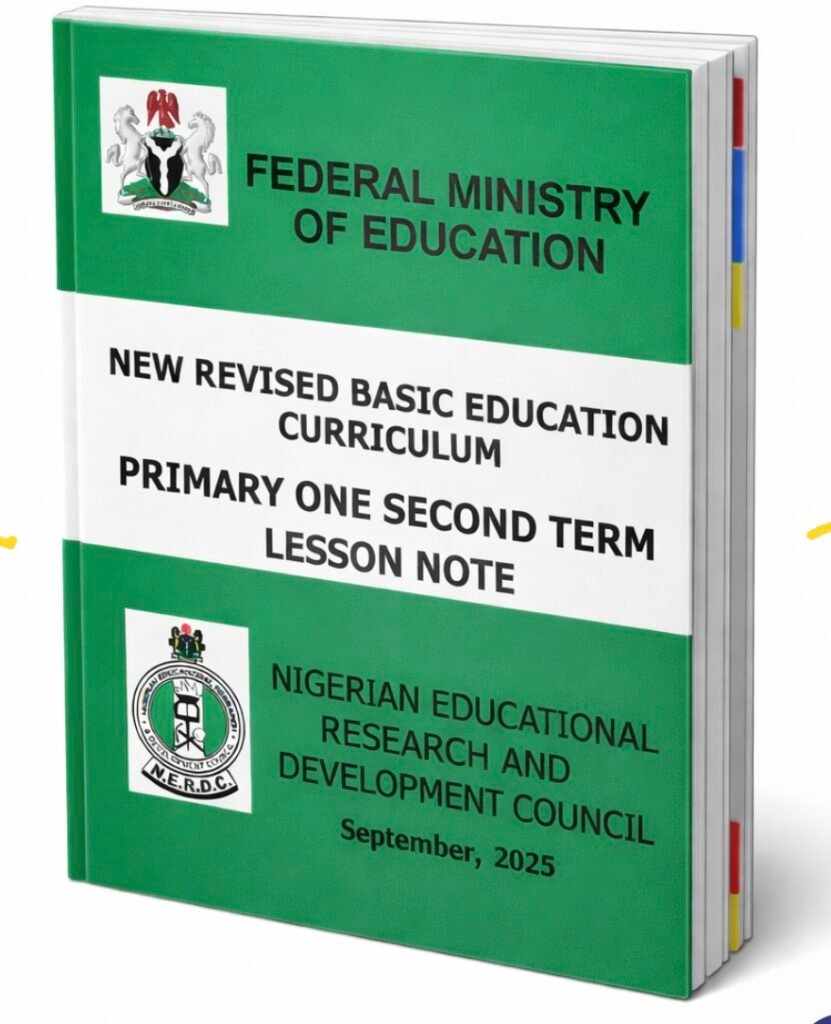
Introduction: Why the New Curriculum Matters
The introduction of the new Nigerian curriculum represents a significant step towards reforming the educational landscape in Nigeria. As the world evolves, the demands placed on educational systems likewise shift. The new curriculum aims to transform the way knowledge is imparted to students, ensuring they are better equipped to face the challenges of the 21st century. This transition is crucial not only for academic success but also for fostering critical thinking, problem-solving, and innovation among learners.
The rationale behind updating the curriculum lies in addressing the inadequacies of the previous system, which often lacked relevance in a rapidly changing global economy. The modern workforce requires skills that go beyond rote memorization; thus, an emphasis is placed on developing competencies that include digital literacy, collaboration, and adaptability. With the new curriculum, educators can cultivate these essential skills, thus bridging the gap between theoretical knowledge and practical application.
Stakeholder involvement plays a pivotal role in the effective implementation of the new curriculum. Teachers, as front-line facilitators, are essential to this initiative, as their insights and experiences shape the educational experience for students. Similarly, school owners and parents must be actively engaged in supporting educational strategies that promote a conducive learning environment. Consultation with education experts and curriculum consultants further enriches the process, ensuring that the curriculum is comprehensive and aligned with international standards.
Overall, the new Nigerian curriculum is a progressive movement towards enhancing the quality of education in Nigeria. By prioritizing contemporary educational needs and stakeholder participation, it lays the groundwork for a generation of learners who are not only knowledgeable but are also adept at navigating the complexities of the modern world.
Overview of the NERDC New Curriculum
The National Educational Research and Development Council (NERDC) has introduced a new curriculum for Nigerian schools that is designed to address the diverse needs of learners in today’s dynamic environment. This innovative curriculum emphasizes skill development, critical thinking, and real-world applicability, distinguishing itself from its predecessor. The guiding principles of the new curriculum center on fostering learners’ abilities to adapt and thrive in an ever-changing world.
At its core, the new Nigerian curriculum aims to equip students with the competencies required for both personal and professional success. This involves a shift towards active learning methodologies which encourage exploration, inquiry, and collaborative problem-solving. By prioritizing experiential learning, the curriculum seeks to engage students in a manner that makes learning significant and practical. This change reflects the need for educational systems to nurture not only theoretical knowledge but also practical skills that learners can apply in their daily lives.
One of the notable features of the new curriculum is its alignment with global educational standards while still being rooted in local contexts. New subjects have been introduced, allowing students to explore topics that are relevant to contemporary challenges, such as technology, environmental education, and entrepreneurship. By introducing these subjects, the NERDC aims to prepare students for the realities of the modern workforce while simultaneously encouraging a sense of social responsibility.
Furthermore, the curriculum places a strong emphasis on the development of soft skills, including creativity, communication, and teamwork. These skills are increasingly recognized as essential in today’s collaborative and interconnected world. Thus, the NERDC new curriculum represents a holistic approach to education, focusing on overall learner development rather than solely academic achievement.
What’s New in Primary One
The curriculum for Primary One has undergone significant enhancements aimed at fostering a more holistic and engaging learning experience for young learners. The newly designed curriculum introduces a variety of subjects that emphasize not only academic knowledge but also life skills. Subjects such as Early Literacy, Numeracy, and Basic Science have been structured to develop critical thinking, creativity, and problem-solving skills, essential for a well-rounded education.
One of the notable updates is the incorporation of Visual Arts and Physical Education into the curriculum. These subjects are vital as they encourage students to express their creativity and engage in physical activities, which are important for their overall development. The introduction of coding as a basic component aims to familiarize students with essential technological skills from a young age, preparing them for a digital world.
Teaching methodologies in Primary One have also evolved to enhance student engagement. The curriculum promotes interactive learning through group activities, project-based learning, and use of educational technology. Teachers are encouraged to adopt a facilitative approach that allows young learners to explore and discover concepts at their own pace. This method promotes a learner-centered environment, which is beneficial for nurturing curiosity and enthusiasm in students.
As educators and parents navigate these changes, it is paramount to understand the expected learning outcomes. Students are anticipated to develop foundational skills in reading, writing, and numeracy, alongside having an appreciation for the arts and active participation in physical health. By staying informed and supporting students through this transition, families can play a crucial role in fostering success in the classroom.
What’s New in Primary 4, JSS1, and SS1
The newly revised curriculum for Primary 4, Junior Secondary School 1 (JSS1), and Senior Secondary School 1 (SS1) in Nigeria introduces several transformative changes aimed at enhancing the educational experience for students. At the Primary 4 level, there is a renewed focus on foundational subjects such as Mathematics, English Language, and Integrated Science, where teaching strategies have shifted toward more interactive and practical approaches. This change encourages critical thinking and problem-solving skills, ensuring that students grasp essential concepts effectively.
In JSS1, the curriculum now emphasizes a more integrated approach to learning, combining subjects like Science and Technology with practical applications in everyday life. This structure aligns with the contemporary demands of education, ensuring students not only learn theoretical concepts but also understand their real-world implications. New subjects such as Computer Studies and Business Studies have been introduced, reflecting the growing importance of technology and entrepreneurship in today’s economy. Educators are encouraged to use project-based assessments to evaluate students’ understanding and skills development.
At the SS1 level, the curriculum shifts towards specialization, allowing students to choose subjects that align with their career aspirations. This phase introduces specialized electives, providing students with opportunities to delve deeper into fields such as the Sciences, Arts, and Humanities. Teaching methods have also been updated to include collaborative learning and peer teaching, recognizing the importance of social interaction in cognitive development. Furthermore, the assessment strategies are being revised to include continuous assessment, ensuring that students are evaluated over time rather than relying solely on high-stakes examinations.
Overall, these changes in the Nigerian curriculum for Primary 4, JSS1, and SS1 have potential implications for students, preparing them better for their future educational and career paths.
Frequently Asked Questions about the New Nigerian Curriculum
The introduction of the new Nigerian curriculum has sparked a range of inquiries among parents, educators, and students. Understanding its implementation and implications is crucial for a smooth transition. One common question revolves around the challenges of adapting to this revised educational framework. Transitioning from an older curriculum to a new one can be daunting for both teachers and students, particularly when it comes to classroom practices and assessment methods. Professional development for educators will play a critical role in easing these challenges, ensuring they are well-equipped to implement the curriculum effectively.
Another concern frequently raised is how parents can support their children during this transition period. Engaging actively with the new curriculum can help foster a better learning environment at home. Parents can encourage their children by exploring the curriculum content together, setting realistic learning goals, and maintaining open lines of communication about school experiences. Additionally, it is beneficial for parents to collaborate with educators by discussing student progress and identifying areas where further support may be required.
Resources for both educators and parents are key components of navigating the new curriculum successfully. Various educational platforms offer guidelines, teaching materials, and training sessions designed to enhance understanding and implementation. Workshops and community forums provide valuable spaces for sharing ideas and experiences, fostering a supportive network dedicated to the education of Nigerian children. Furthermore, state education boards and local schools can serve as vital resources for updates and training opportunities that align with the new curriculum.
Conclusion and Call-to-Action
In conclusion, the New Nigerian Curriculum represents a significant step towards enhancing the educational framework within Nigeria. The curriculum is meticulously designed to cater to the developmental needs of students in Primary One, Primary Four, JSS1, and SS1, providing a comprehensive structure that prioritizes critical thinking, creativity, and practical skills.
Through the implementation of this curriculum, it becomes imperative for both educators and parents to actively engage and familiarize themselves with the new educational models. This engagement not only ensures a smoother transition for students but also contributes to a more effective learning atmosphere conducive to fostering academic success. Resources, such as lesson notes and schemes of work specifically developed for this curriculum, are readily available at educoachstore.com.ng. These tools can significantly assist in navigating the nuances of the new requirements and enhance the overall teaching and learning experience.
We encourage readers to explore these available resources to enrich their understanding and application of the New Nigerian Curriculum. By taking an active role in this educational shift, we can collectively contribute to developing a more robust educational landscape for future generations. Staying informed about curriculum updates and utilizing available educational material is essential for all stakeholders in the education sector. Together, we can foster a better and more productive learning environment for all students, ensuring that they are adequately equipped for the challenges ahead.