
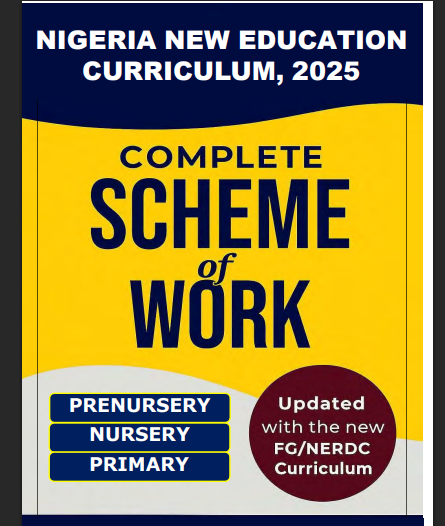
Introduction to Nigeria’s New Education Curriculum
Nigeria’s new education curriculum for 2025 is an ambitious reform aimed at addressing several pressing needs within the country’s education system. At the heart of this initiative is the desire to align educational outcomes with global standards, ensuring that Nigerian students are equipped with the skills necessary to compete in an increasingly interconnected world. This curriculum overhaul is a response to the dynamic demands of the job market, where employers seek graduates with critical thinking abilities, creativity, and practical skills.
The rationale for introducing this new curriculum stems from a recognition that the traditional education model has not sufficiently prepared students for the challenges of modern society. By integrating more relevant subjects and interdisciplinary approaches, the curriculum is designed to produce well-rounded individuals capable of contributing positively to Nigeria’s socio-economic development. A significant emphasis will be placed on science, technology, engineering, and mathematics (STEM), along with vocational training to enhance employability.
Key stakeholders in this transformation include the Federal Ministry of Education, local education authorities, educators, and industry representatives, all of whom have played crucial roles in the curriculum design process. Their collective expertise has been instrumental in ensuring that the curriculum not only meets educational standards but also resonates with the realities of Nigeria’s socio-economic landscape. This collaborative approach aims to foster a sense of ownership among stakeholders, ensuring the curriculum reflects the aspirations and needs of the communities it serves.
The implementation of Nigeria’s new education curriculum is poised to be a pivotal moment in the country’s educational trajectory, marking a shift towards a holistic development model that prepares students for the future while maintaining relevance to the present societal context.
Key Features of the 2025 Curriculum
The new education curriculum set for implementation in Nigeria by 2025 is designed to address the evolving needs of students and society as a whole. One of the most significant features of this curriculum is the emphasis on STEM education—an integration of Science, Technology, Engineering, and Mathematics. This focus aims to equip students with essential skills that are increasingly crucial in a technology-driven world. By fostering an early interest in these disciplines, the curriculum seeks to prepare students for future careers and innovations across various industries.
In addition to STEM, the new curriculum also prioritizes the integration of technology in learning processes. Digital literacy is now considered a fundamental competency, enabling students to navigate the complexities of modern information technologies. Through the incorporation of digital tools and resources, educators will engage students in more interactive learning experiences, thereby enhancing their ability to apply theoretical knowledge practically.
Another pivotal aspect of the 2025 curriculum is its commitment to lifelong learning skills. Recognizing that education extends beyond formal schooling, the curriculum emphasizes skills such as critical thinking, creativity, and emotional intelligence. These competencies are vital in fostering adaptable individuals who can thrive in an ever-changing global landscape. The curriculum also introduces new subjects that challenge traditional educational boundaries, ensuring an enriched learning experience.
Furthermore, the methods of assessment are poised to undergo significant changes. The curriculum aims to implement more comprehensive evaluation techniques that assess not only academic knowledge but also practical skills and emotional maturity. This holistic approach to assessment seeks to create a more well-rounded educational framework, ultimately benefiting the overall development of students.
Implementation Strategies and Challenges
The successful implementation of Nigeria’s new education curriculum for 2025 hinges on various strategies that must be carefully executed. A critical aspect of this process involves extensive teacher training programs designed to equip educators with the necessary skills and methodologies to effectively deliver the revised curriculum. Professional development workshops and continuous education opportunities will play a significant role in fostering teacher competence, ensuring that they can adapt to the innovative teaching practices the new curriculum advocates.
Furthermore, infrastructural development is a vital strategy that demands immediate attention. Many schools in Nigeria are still grappling with inadequate facilities. Investing in the enhancement of these infrastructures, including classrooms, laboratories, and technological resources, will be essential to create an environment conducive to learning. Allocating adequate resources to schools is indispensable, enabling them to implement the curriculum effectively.
Despite the outlined strategies, several challenges threaten the successful implementation of the new curriculum. Resistance from educational institutions may arise, as some educators and administrators may be hesitant to shift from traditional teaching methods to the new approaches. Additionally, the lack of funding poses a significant obstacle. Without sufficient financial backing, it becomes challenging to support necessary programs such as teacher training and infrastructural improvements. Public awareness and acceptance of the changes are crucial, as ensuring that stakeholders, including parents and students, understand the importance of the new curriculum can aid in fostering a supportive environment.
To address these challenges, a collaborative effort involving government bodies, educational institutions, and community stakeholders is paramount. Continuous dialogue, advocacy campaigns, and strategic partnerships can significantly enhance public awareness, while enforcing policies that prioritize education funding can help mitigate financing issues. These combined efforts will create a pathway to implement the new curriculum effectively, enhancing the educational landscape across Nigeria.
Impact and Future of Education in Nigeria
The introduction of Nigeria’s new education curriculum aimed at implementation by 2025 marks a significant shift towards enhancing educational quality across the country. This reform is expected to foster a holistic developmental approach by integrating critical thinking, creativity, and technology into the learning process. By aligning educational practices with global standards, the curriculum endeavors to equip students with essential skills required in a rapidly changing world. This alignment not only serves individual educational development but can significantly contribute to national growth.
One of the anticipated impacts of this curriculum is the enhancement of Nigeria’s competitiveness on a global scale. As the global job market increasingly demands skilled professionals who can thrive in innovative environments, the new curriculum aims to bridge the gap between educational outputs and labor market needs. Improving educational outcomes could result in a workforce that meets international standards, thereby attracting foreign investments and boosting the national economy.
Furthermore, this educational reform holds the potential to foster social cohesion and equity across different strata of society. By promoting inclusivity in educational access and strengthening foundational learning, it aids in leveling the playing field for all Nigerian students, which is crucial for national development. This transformation could reduce educational disparities, foster societal harmony, and promote active citizenship among the youth.
As we look beyond 2025, the future of education in Nigeria suggests a continued trajectory of adaptation and enhancement. With the advent of digital learning tools and methodologies, the possibility for personalized education that caters to individual learning styles becomes more pronounced. Continuous evolution in educational practices, alongside the incorporation of innovative teaching methods, ensures that the Nigerian education system remains resilient and responsive to the needs of its society. Such progress ultimately shapes not just the educational landscape, but the broader socio-economic framework of Nigeria.
